


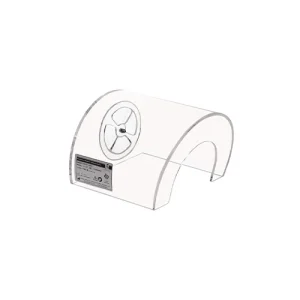
Infant Oxygen Hood
$31.31
Special for children
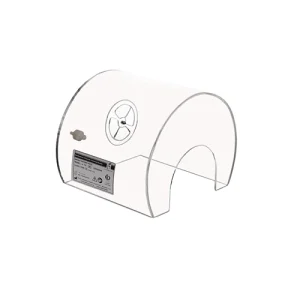
With a transparent Plexiglas body
Can be used in incubators and resuscitation beds, phototherapy and neonatal surgery
With oxygen nozzle inlet
Can adjust the degree of oxygen inlet and outlet
Capacity 12 liters
Length 24 cm, width 27.5 cm, height 21.5 cm
Opening 11 x 14.5 cm
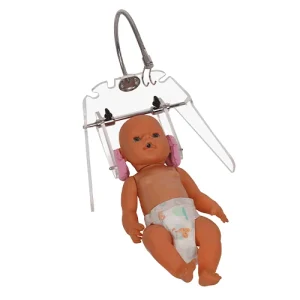
A pediatric oxyhood or oxygen hood, also known as an oxygen hood or oxyhood, is a transparent plastic enclosure specifically designed to be placed around the head of infants and young children and is used to provide an oxygen-rich environment for patients who have difficulty breathing or require supplemental oxygen. This device is in the form of a transparent cylinder or box that covers the infant’s head, while the rest of the infant’s body remains accessible for easy access for care and monitoring. An oxygen hood facilitates oxygenation by saturating the space around the baby’s head with warm, moist oxygen, without putting pressure on the baby’s face or neck, which is especially important for babies who may be uncomfortable with oxygen masks. The oxygen is directed into the chamber through a nozzle and the required oxygen concentration is carefully adjusted, usually using an air-oxygen mixing valve, and is continuously monitored with a pulse oximeter to ensure that the baby is receiving the right amount of oxygen and to prevent side effects from high oxygen levels. Oxygen hoods come in a variety of sizes to fit different baby head sizes, and are often made of materials such as acrylic or clear plastic to allow for continuous observation and assessment of the baby’s condition. Pediatric oxyhood applications include use in neonatal intensive care units (NICU), pediatric intensive care units (PICU), and neonatal intensive care units, where they help premature infants, infants with respiratory distress syndrome, asthma, bronchitis, pneumonia, heart failure, and other respiratory conditions get the oxygen they need. These devices can increase the oxygen concentration used by the infant by up to 60% and provide a safe and effective environment for the infant to breathe by preventing the buildup of harmful levels of carbon dioxide. The method of using an oxygen hood involves placing the infant in a completely flat position and placing the hood completely over the infant’s head, so that it does not contact the infant’s neck, chin, or shoulders to prevent oxygen leakage. Oxygen hoods are often also mounted on other medical equipment, such as a resuscitation bed or infant incubator, which increases its flexibility and effectiveness in various treatment settings. Because oxygen is a flammable gas, it is important to keep oxygen hoods away from open flames and other sources of ignition, and to monitor the infant’s temperature to prevent hypothermia. Ultimately, the pediatric oxyhood is a valuable tool in the respiratory care of infants and young children, providing a controlled and visible environment that helps improve oxygenation and reduce complications from oxygen deprivation.
Related products
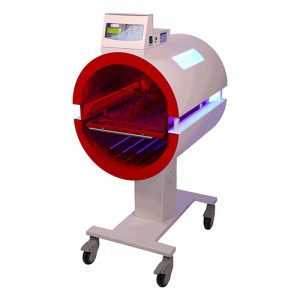
Cylindrical Neonatal Phototherapy
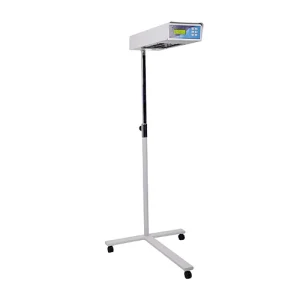
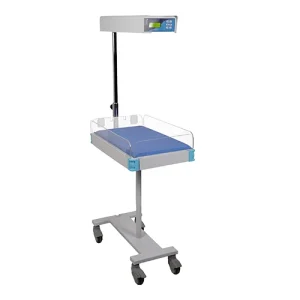
Infant Warmer
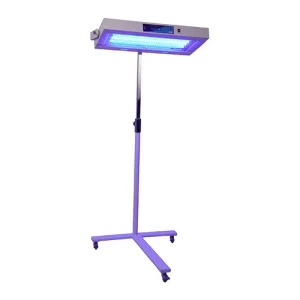
Neonatal Phototherapy
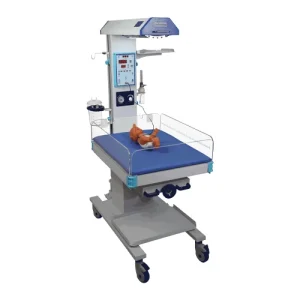
Neonatal Recovery Cot

Reviews
There are no reviews yet.