


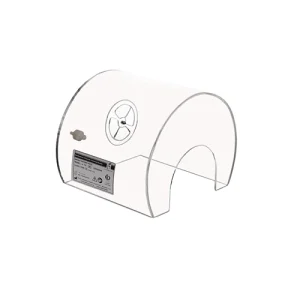
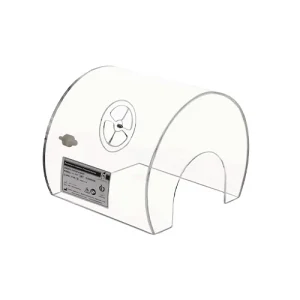
Neonatal Oxygen Hood
$27.04
For newborns
With transparent Plexiglas body
Can be used in incubators, resuscitation beds, phototherapy, and newborn beds
With oxygen nozzle inlet
Can adjust the oxygen inlet and outlet degree
Capacity 6.5 liters
Length 20.5 cm, width 22 cm, height 14.5 cm
Opening: 9.5 x 12.5 cm, angled
A neonatal oxygen hood, also known as an oxy hood or oxygen hood, is a clear plastic enclosure designed to provide an oxygen-rich environment for infants who require respiratory assistance. This medical device, usually cylindrical or hood-like, is placed over the infant’s head and is designed to cover only the infant’s head and neck, leaving the rest of the infant’s body accessible for access and care. By saturating the space around the infant’s head with warm, humidified oxygen, the oxygen hood facilitates oxygenation for infants who are able to breathe but need more oxygen. The use of an oxygen hood is particularly suitable for infants who may experience pressure or discomfort in the head and neck area due to the use of oxygen masks. The device usually has an oxygen inlet valve and an air regulator valve, which allows for precise control of the amount of oxygen and prevents the accumulation of carbon dioxide. The neonatal oxygen hood can also be used on other medical equipment such as a neonatal resuscitation bed or neonatal incubator, which increases its flexibility and efficiency in various treatment environments. The method of using the neonatal oxygen hood involves placing the infant in a completely flat position and placing the hood completely over the infant’s head, so that there is no contact with the infant’s neck, chin, and shoulders to prevent oxygen leakage. Oxygen is directed into the chamber through the device’s nozzle and its inlet flow rate is controlled by the source manometer and the hood’s air adjustment screw. A minimum flow rate of 8 to 10 liters per minute is recommended to prevent the accumulation of harmful levels of carbon dioxide. During the use of the neonatal oxygen hood, the required oxygen concentration must be properly prescribed and prepared, and the infant’s blood oxygen percentage must be regularly checked by pulse oximeter to prevent retinal damage, chronic lung damage, infection, and skin fungus caused by excessive oxygen exposure. Also, ensure that the delivered gases are directed away from the infant’s face and the heater temperature is set between 32-37°C to ensure that a neutral thermal environment is maintained. Overall, the neonatal oxygen hood is a vital tool in neonatal respiratory care, providing a controlled and safe environment that helps improve oxygenation and reduce the complications of hypoxia. This device plays an important role in improving the clinical status of infants requiring supplemental oxygen by facilitating oxygen delivery and reducing the accumulation and release of CO2 from the infant’s exhaled air.
Related products
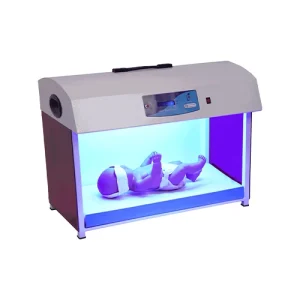
Home Phototherapy for Newborns
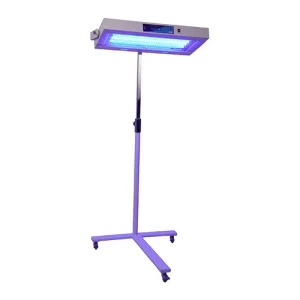
Neonatal Phototherapy
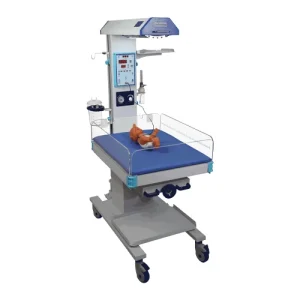
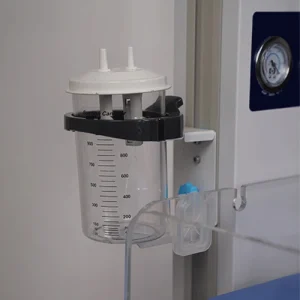
Neonatal Resuscitation Table
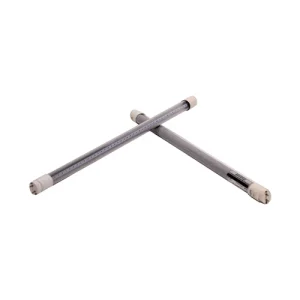
Newborn Phototherapy Lamp
160 degree beam angle
No need to use a transformer or starter for installation
Replaceable with a 20-watt fluorescent lamp with greater therapeutic effectiveness
Aluminum body with clear acrylic coating
One-year replacement warranty
Has a serial number with lamp traceability
LED lamp is more cost-effective than fluorescent lamps due to its longer lifespan (at least ten times)
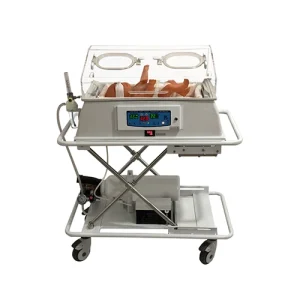
Portable Infant Incubator
Reviews
There are no reviews yet.